Quick Facts
- Walmart signed a $1.027 billion contract extension with VusionGroup to deploy digital shelf labels across all 4,600 U.S. stores by 2026
- The technology is already installed in 2,300 locations, allowing price updates in hours instead of days
- Bills targeting digital shelf labels have surfaced in 10 states amid concerns about dynamic pricing and job displacement
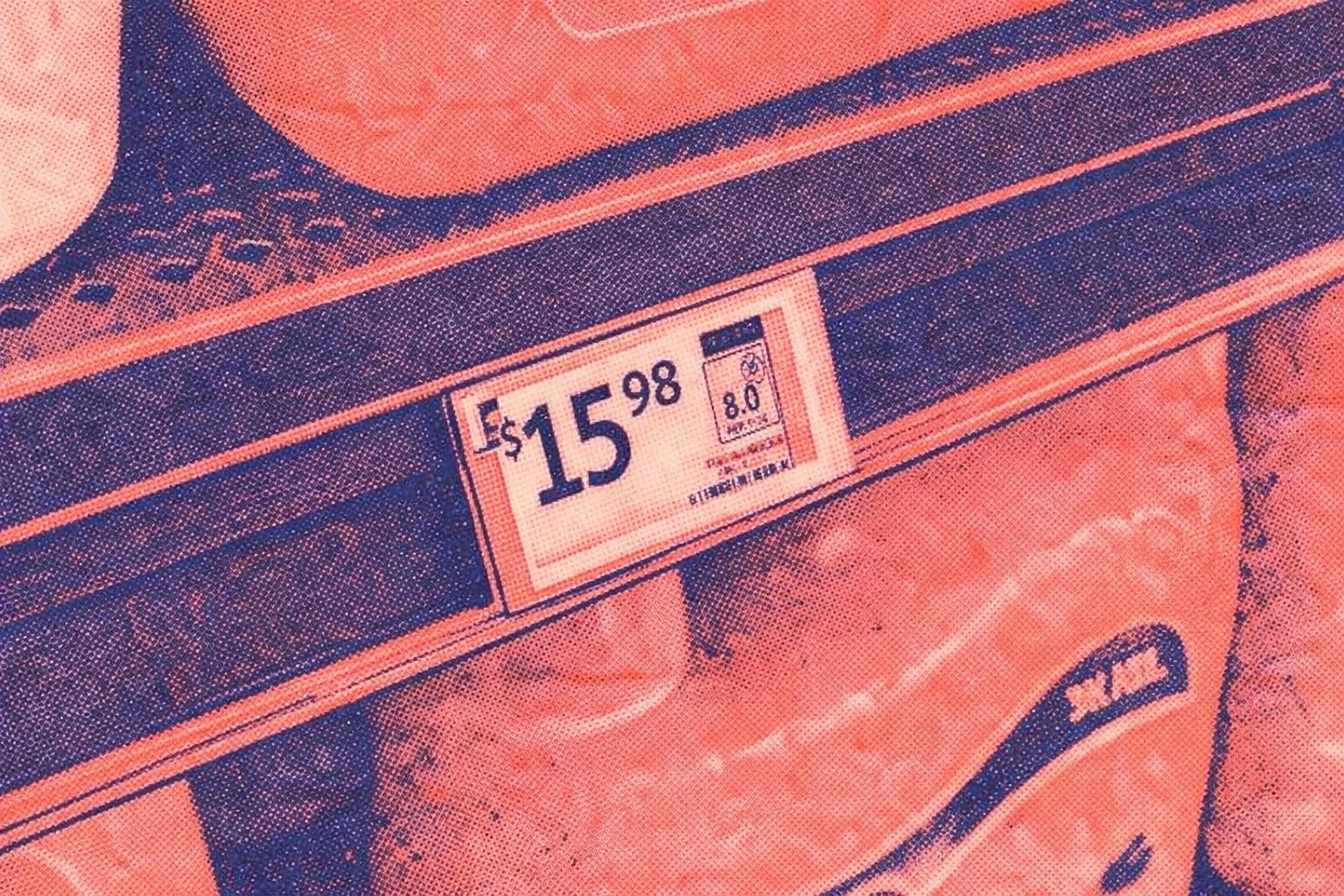
Walmart will deploy digital shelf labels to all 4,600 U.S. stores in 2026 through a $1.027 billion contract extension with technology provider VusionGroup. The expansion builds on 2,300 locations already using the electronic price tags.
The digital labels replace paper price tags across Walmart’s more than 120,000 shelf products. Price updates that previously took days now complete in hours through a centralized system.
“Digital shelf labels have been a game-changer and simplifies the daily activities of our store teams, while providing a better shopping experience for our customers,” said Greg Cathey, senior vice president of transformation and innovation at Walmart U.S.
The technology allows associates to activate LED lights on shelf labels to identify restocking locations. Associates spend less time fixing tags and more time helping customers, according to Walmart.
The deployment faces significant opposition from labor unions and state lawmakers. The United Food and Commercial Workers International Union launched a national campaign against the technology, citing concerns about dynamic pricing and job displacement.
Bills targeting digital shelf labels have surfaced in 10 states, including New York, Oklahoma, Washington, and Arizona. New York Senate Deputy Leader Michael Gianaris introduced legislation that would ban electronic shelf labels in grocery and drug stores larger than 10,000 square feet.
Walmart defended its pricing policies, stating the labels would not enable dynamic pricing. The company said prices remain consistent for all customers in a given store regardless of demand or time of day.
“The system supports its Everyday Low Price strategy by keeping pricing consistent and transparent,” a Walmart spokesperson told Retail Brew. Price changes are reviewed and pushed through a secure platform, typically outside shopping hours.
The VusionGroup system operates on a closed network without cameras or microphones. The labels display prices but do not collect shopper information or interact with customers.
The National Retail Federation emphasized that electronic shelf labels function as communication tools rather than decision-making systems. The trade group cited research finding no evidence of the technology causing price spikes.
This represents one of the largest retail technology deployments in recent history. The nationwide rollout will complete Walmart’s digital transformation initiative that began with pilot programs in select markets.