Quick Facts
- House passed the Combating Organized Retail Crime Act by 348-60 vote on Tuesday
- Bill would establish federal coordination center at Department of Homeland Security
- Retail theft cost stores $121.6 billion in 2023, up from $112 billion in 2022
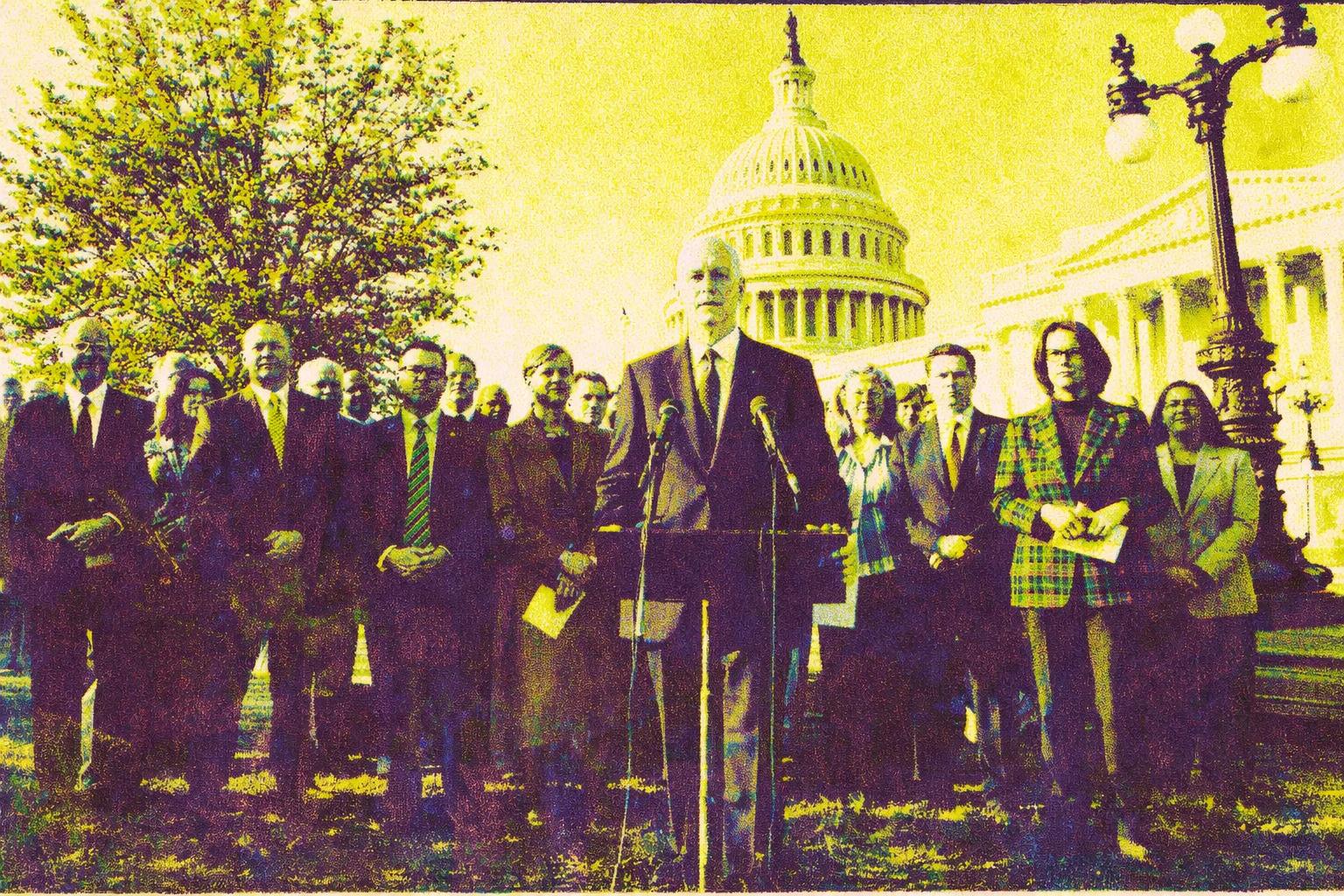
The House of Representatives passed legislation targeting organized retail crime in a bipartisan 348-60 vote Tuesday. The Combating Organized Retail Crime Act now moves to the Senate for consideration.
The bill would establish an Organized Retail and Supply Chain Crime Coordination Center within the Department of Homeland Security. It would also designate organized retail crime as a federal offense and require DHS and the Justice Department to report to Congress on enforcement efforts.
Retail theft has reached record levels. Stores lost $121.6 billion to theft in 2023, according to the National Retail Federation. Organized retail crime incidents rose 57% from 2022 to 2023 among retailers tracking such data.
“Organized retail crime is an issue that affects everyone,” said Rep. Dave Joyce, who co-sponsored the legislation. “These criminal enterprises are hurting your wallet and putting communities in danger.”
The average American family pays an estimated $500 more annually due to organized retail crime’s impact on consumer prices, according to industry data. Violence during retail theft increased 17% between 2023 and 2024.
Major retailers have backed the legislation. Scott Glenn, vice president of enterprise asset protection at Home Depot, said the bill “would strengthen coordination across federal, state, and local partners.”
The House Judiciary Committee passed the bill unanimously in January. A companion Senate bill was introduced in April 2025 by Sens. Chuck Grassley and Catherine Cortez Masto.
Cargo theft has also surged, with incidents rising 27% in 2024. Thieves steal $18 million daily from the trucking industry, according to CargoNet data.
Some loss prevention experts question whether federal legislation alone will solve retail crime. Brand Elverston, a specialist who works with major retailers, said stores are “unlikely to notice a difference” because the bill addresses only one aspect of a distributed challenge.
Read more: Organized retail crime bill passes House in bipartisan vote, heads to Senate