Quick Facts
- Under Armour and Dwayne Johnson ended their 10-year Project Rock partnership, with existing inventory sold through October 2026.
- The split follows Stephen Curry’s departure in November 2025, after which Curry signed a reported $400 million, 10-year deal with Li-Ning.
- Under Armour reported full-year revenue of $5.0 billion, down 4%, with North America sales falling 8% to $2.9 billion in fiscal 2026.
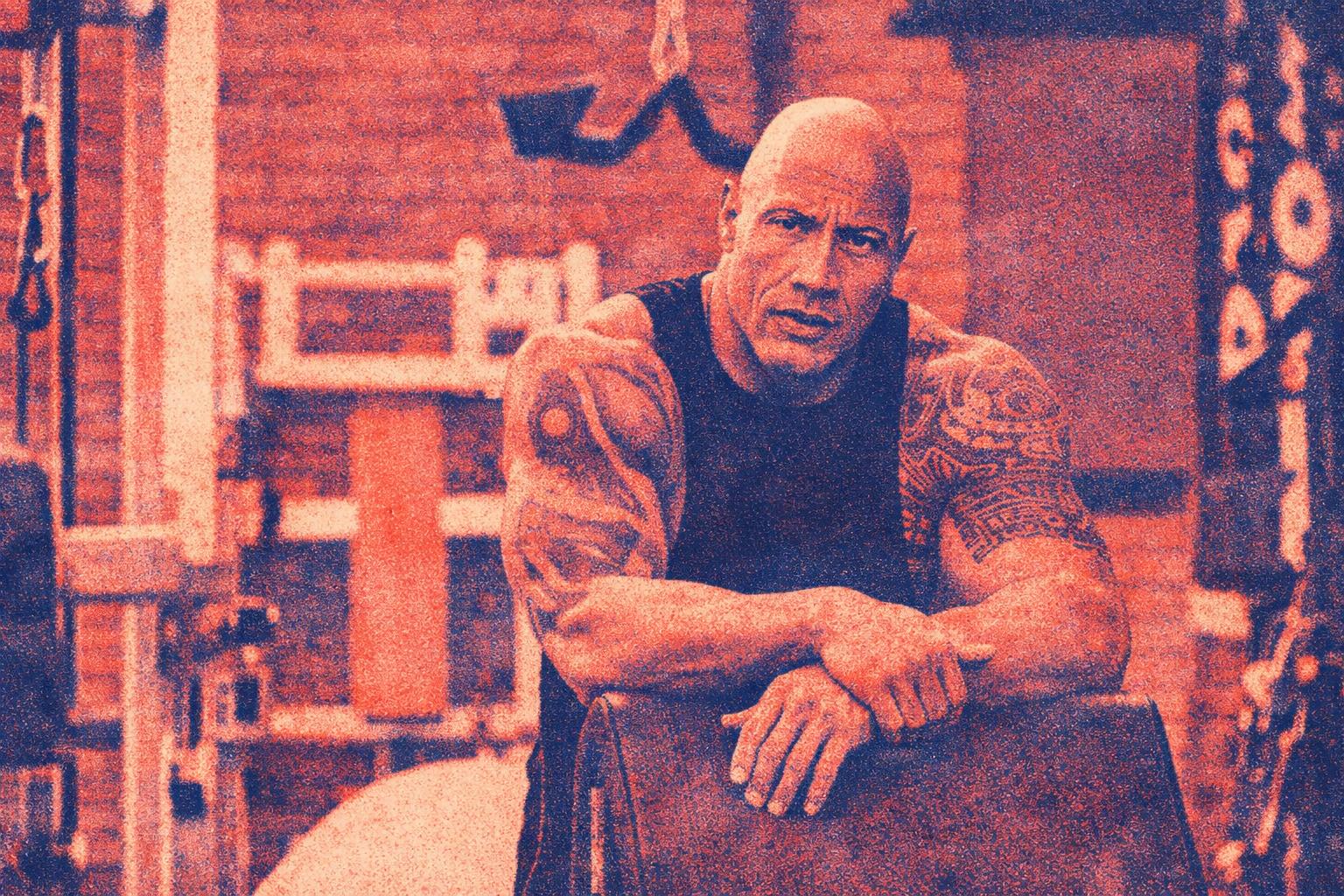
Under Armour confirmed Monday it has ended its partnership with Dwayne Johnson, closing a 10-year collaboration that produced the Project Rock athletic wear line. The company will sell remaining Project Rock inventory through October 2026. Johnson and his ex-wife Dany Garcia retain the Project Rock trademark and plan to find a new manufacturing partner for future collections.
Both sides called the split cordial. Under Armour said the decision aligns with efforts to create a “more unified expression” in its training category. Johnson said the partnership produced an “epic chapter” and that his team will now pursue “new north stars” and new partners.
The breakup is the second major ambassador exit in less than 12 months. Stephen Curry left Under Armour in November 2025 after more than a decade, reportedly over disagreements about brand investment. Curry kept his Curry Brand and later signed a 10-year sneaker deal with Chinese sportswear company Li-Ning, reportedly worth over $400 million.
The Project Rock line launched in 2017, roughly a year after Johnson signed a global deal with Under Armour in January 2016 covering footwear, apparel, and accessories. The first major Project Rock sneaker collection sold out in under 24 hours. Eight Project Rock shoe models followed over the life of the partnership. The brand also held a multiyear deal with the UFC, placing Project Rock footwear on athletes and corner teams at fight-week events.
Under Armour CEO Kevin Plank framed both moves as part of a deliberate business reset. The company reported a GAAP net loss of $495.6 million in fiscal 2026, driven by restructuring charges and a $247 million valuation allowance. Adjusted net income came in at $49.6 million. Full-year revenue fell 4% to $5.0 billion, with North America the weakest region at $2.9 billion, down 8% year over year.
The company has also cut its product offerings by roughly 25% to concentrate resources on core brand lines. Its restructuring plan, announced in May 2024, is now projected to cost up to $305 million in total, with $261 million already incurred. Under Armour expects to substantially complete the plan by December 31, 2026.
Plank said fiscal 2027 will bring a shift toward tighter storytelling and brand building after two years of structural repair. “As our topline stabilizes in fiscal 2027, we are applying the same rigor that is strengthening our product engine to our storytelling capabilities,” he said.
The brand is already moving on ambassadors elsewhere. Under Armour recently signed K-pop group BOYNEXTDOOR for its Asia-Pacific market. CMO Simon Pestridge called the group “authentic” and aligned with the brand’s evolving identity.
Under Armour’s ambassador strategy is now visibly smaller and more selective. Whether a leaner roster and tighter product focus can reverse North American sales declines remains the central question heading into fiscal 2027.
Read more: Under Armour ends partnership with The Rock amid marketing reset