Quick Facts
- Target and Ulta Beauty ended their shop-in-shop partnership on Aug. 17, 2026, after building out more than 600 locations, short of their 800-store goal.
- Target is replacing Ulta shop-in-shops with its own Target Beauty Studio concept, gaining full control over assortment, merchandising, and revenue.
- Analysts at Jefferies flagged a 74% store overlap between Target and Ulta, calling Target a growing competitive threat to the specialty beauty retailer.
Target and Ulta Beauty officially ended their five-year shop-in-shop partnership on Aug. 17, 2026. The two companies announced the split in August 2025, and spent the past year winding down operations across more than 600 Target locations where Ulta had operated roughly 1,000-square-foot mini-shops.
The partnership never hit its original target. Both companies had set a goal of 800 locations. In April 2025, Ulta CEO Kecia Steelman told attendees at J.P. Morgan’s annual Retail Round Up Conference that the company would pause expansion of new shop-in-shops and focus on optimizing existing ones through the end of the year.
Shares of Target fell 2% and Ulta dropped around 1% on the day the split was announced in 2025.
What Went Wrong
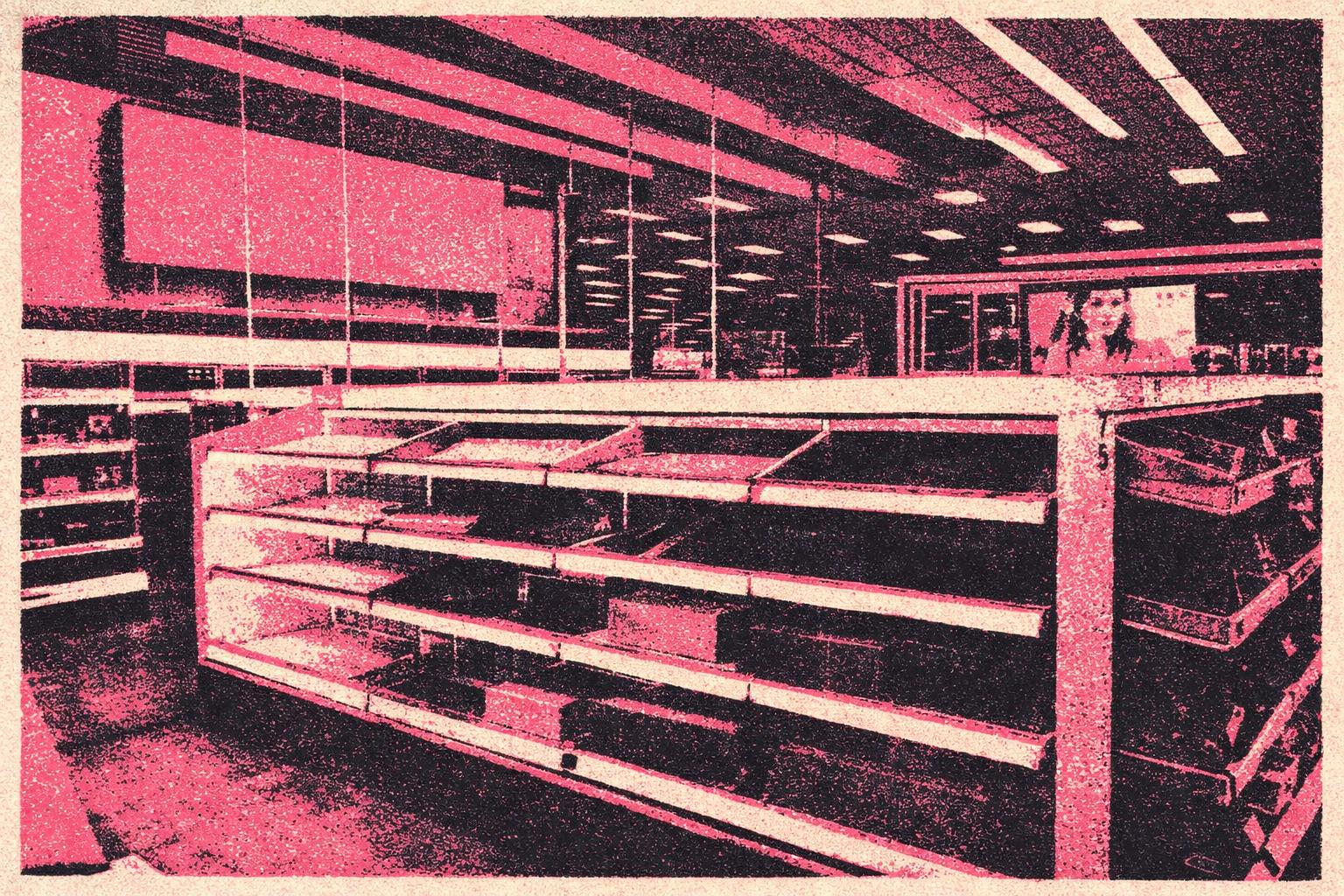
Analysts pointed to execution failures inside Target stores. Neil Saunders, managing director at GlobalData Retail, said the Ulta sections became “increasingly messy” and suffered from inadequate staffing, retractable belt barriers separating them from the rest of the store, and persistent low stock levels.
David Bellinger, analyst at Mizuho Securities, echoed that view in a research note, citing “messy in-store operations,” retail theft, and insufficient staffing as likely contributors to the end of the deal.
Target’s own store traffic declined year-over-year nearly every week since Jan. 27, 2025, according to Placer.ai data. Net sales fell 1.7% for the fiscal year. Beauty, which had been a consistent bright spot with 5% sales growth in 2024, turned slightly negative in Q1 2025.
Target Moves to Own the Category
Target is replacing the Ulta footprint with Target Beauty Studio, a proprietary concept the company says will offer prestige brands, elevated in-store experiences, and personalized support. Target CEO Michael Fiddelke, speaking on the Q1 2026 earnings call, said the company has “10 years running of growth in beauty” and called Beauty Studio central to its ambition to become a top beauty destination.
Target SVP of Merchandising Amanda Nusz described the new format as a way to help shoppers “discover incredible prestige brands” and find “something new and exciting every time they shop.”
The shift gives Target something the Ulta partnership never provided: full ownership of the sales, the customer relationship, and the merchandising decisions. Brand consultancy Crème Collective’s Leilah Mundt said Target “learned a lot of lessons through the Ulta partnership” and is now positioned to build something stronger on its own.
Industry analyst Amy Kapolnek identified basket size expansion as the biggest near-term upside. Target already draws massive weekly foot traffic, and beauty purchases tend to pull additional categories into the cart.
Ulta Faces New Competition From a Former Partner
For Ulta, the math may work in its favor short-term. BofA Securities analyst Lorraine Hutchinson said recaptured spending from Target shoppers could be worth roughly three times more to Ulta in EBIT than the royalty stream from the partnership it replaces.
But the longer-term picture is more complicated. Jefferies analyst Ashley Helgans told WWD that the collaboration had helped Ulta’s margins and brand reach. She noted that Target and Ulta share a 74% store overlap and warned that Target has “been able to leverage its learnings from the Ulta partnership to enhance its beauty offering across its fleet, not just stores with Ulta.”
Steelman acknowledged the pressure. “The beauty landscape has fundamentally changed,” she said. “Guest expectations continue to rise, and the pace of change is accelerating. The competitive environment in beauty has never been more intense.”
The U.S. beauty and personal care market was valued at $102.73 billion in 2024 and is projected to grow at a 7.1% annual rate through 2030, according to Grand View Research. Prestige beauty retail dollar sales grew 4% year over year to $36 billion in 2025, per Circana. Both retailers are now competing directly for a share of that growth.
Target’s beauty category represents more than $13 billion in annual run-rate revenue, accounting for over 10% of total merchandise sales. Protecting and growing that number is now entirely Target’s responsibility.
Read more: Target finalizes divorce from Ulta, signaling shift in beauty market