Quick Facts
- WGSN identifies ‘digital privilege’ as a top consumer trend, with the ability to disconnect becoming a status symbol for high-income consumers.
- The digital detox tourism market was valued at $65.02 billion in 2025 and is projected to reach $466.58 billion by 2034, a CAGR of 24.5%.
- The luxury personal goods market lost roughly 50 million customers between 2022 and 2025, dropping from 400 million to 340 million active consumers.
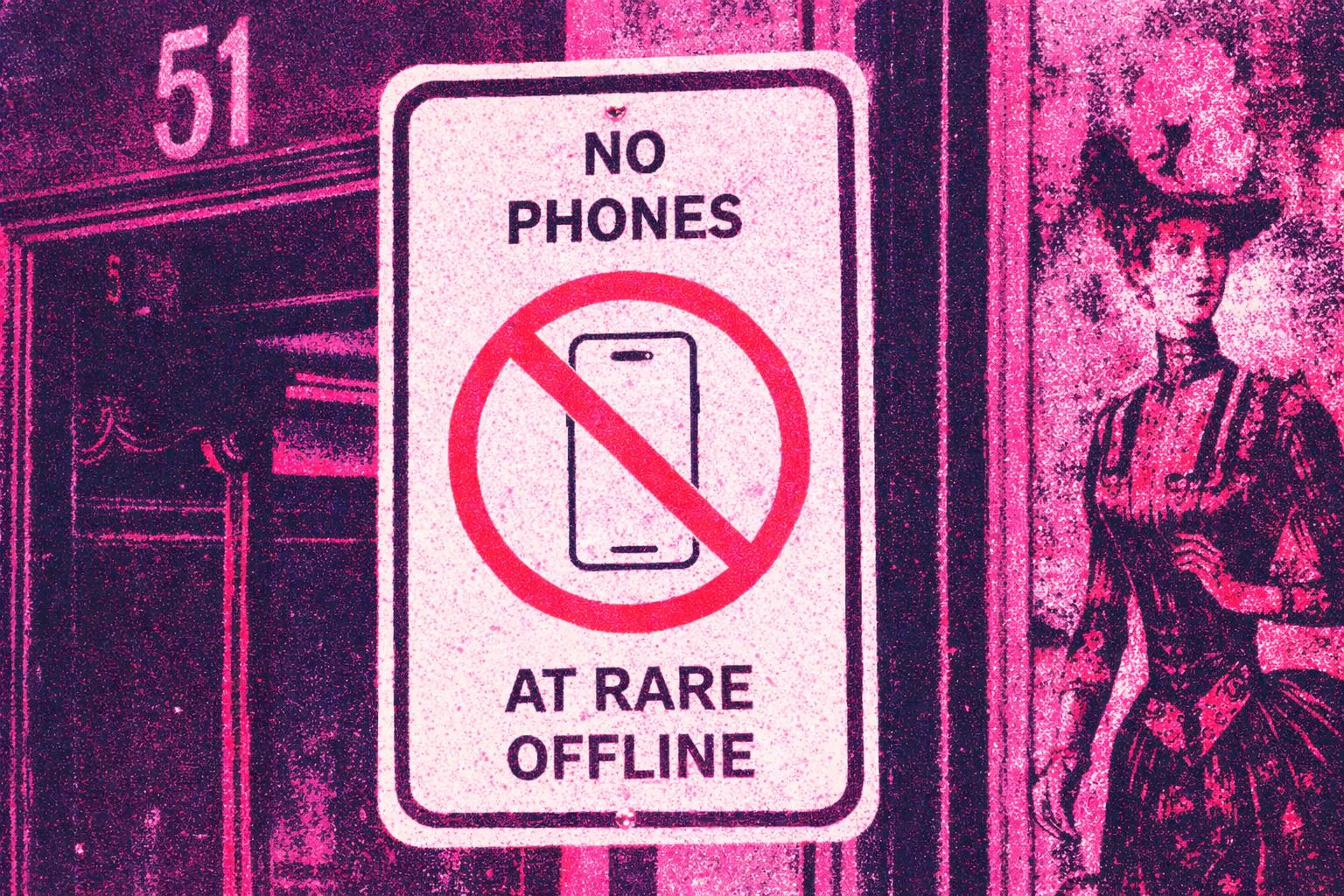
Being offline is becoming a flex. Trend forecaster WGSN, whose clients include Nike, Adidas, Gucci, and H&M, says in its annual forecast that ‘logging off is the new luxury logo.’ The ability to disconnect from work, social media, and constant connectivity without losing career or social standing is what the firm calls ‘digital privilege.’
The Global Wellness Summit’s 2025 Trends Report names analog wellness its top trend. The shift is not a weekend detox. Researchers describe it as a sustained lifestyle move toward tactile, communal, and physical experiences.
The numbers back that up. A Harris Poll found that 77% of adults aged 35 to 54 and 63% of those aged 18 to 34 said they want to return to life before smartphones. The average person now spends 6 hours 45 minutes online each day. Google searches for ‘digital detox retreats’ and ‘offline weekends’ have climbed 40%. TikTok videos about taking breaks have topped 2 billion views.
Gen Z, long seen as the engine of digital culture, is pulling back. Sixty percent say scrolling leaves them drained. Nearly half have deleted at least one app for mental health reasons.
Travel Is Already Shifting
Hospitality brands are watching real money move. According to Hilton’s 2025 Global Trends Report, 27% of travelers plan to cut or eliminate social media on vacation. Seventeen percent actively seek trips that force disconnection, including no-Wi-Fi stays and retreats that confiscate phones at check-in.
Plum Guide reported a 22% booking increase for properties in isolated areas catering to digital detox travelers. Some rental platforms report a 17% spike in searches filtering for off-grid properties.
The global wellness tourism market hit $990 billion in 2025 and is projected to reach $2.4 trillion by 2035. Digital detox services represent a fast-growing slice of that total.
Luxury Brands Face a Contradiction
The trend arrives as the personal luxury goods sector is under serious pressure. The market shrank 3% in early 2025. The customer base dropped from 400 million in 2022 to around 340 million in 2025. New customer acquisition fell 5% between 2024 and 2025. Fewer than half of personal luxury brands grew revenue last year, and operating margins fell to 15 to 16%.
Bain partner Federica Levato put the problem bluntly: ‘You cannot target only the top customers. Because they are also starting to really be upset and to feel betrayed in this industry.’ She said years of price hikes without matching creative output have alienated even ultra-wealthy clients.
The analog trend sharpens that problem. Luxury brands built their digital strategies around aspirational content, influencer reach, and social proof. But WGSN notes that ‘going on vacation without sharing a single Instagram reel’ is now ‘the king of cool.’ That is a direct threat to every brand counting on user-generated content and social amplification.
How Brands Are Responding
WGSN advises brands to design ‘digital detox experiences, boredom-positive spaces, and offline sanctuaries.’ Hotels are building device-free zones and low-tech retreats. Some properties are adding what the industry is calling ‘dumb rooms,’ spaces without screens or smart technology.
Beth McGroarty, research director at the Global Wellness Institute, predicts this will be the year of the ‘great logging off.’ She wrote that ‘the online world’s relentless manipulations, marketing, disinformation and division campaigns, causing general brain and culture rotting, have gone too far.’
For ecommerce and retail operators, the signal is clear. Customers who feel overwhelmed by digital noise are not going to respond to more of it. Brands that create physical moments, offline community, and experiences that do not require a phone may earn the loyalty that performance marketing no longer can.
Read more: Logging Off Is the New Luxury. How Can Brands Adapt?